Featured















Simplify Eating with Diabetes
Please visit the current Deconstructing Diabetes homepage https://deconstructingdiabetes.com.au/ for online diabetes dietitian consultations, GLP-1 nutrition support and diabetes resources.
Using Ozempic, Wegovy or Mounjaro? Reduced appetite can make it harder to get enough protein. Learn why protein matters, the risk of muscle loss, and simple ways to structure your eating.
A practical dietitian’s guide to eating well while using GLP-1 medications such as Ozempic, Wegovy and Mounjaro. Learn how to maintain protein intake, manage appetite changes and support long-term nutrition while using these medications.
A dietitian perspective on how to get back on track after holidays such as Easter. A useful approach is to have some flexibility around eating during during holidays, and plan for this rather than feeling of guilt when trying to have a perfect diet all the time.
People often wait until the start of the week, or the start of the year to make changes to their diet or exercise program. But you don’t need to wait for the perfect moment or new year to make changes today.
Often people with diabetes assume that everything that passes their lips needs to be perfect. However, chasing dietary perfection often leads to stress. Healthy eating is not about the best diet or perfect diet, but rather about consistency, and following some principles of healthy eating, with some flexibility.
You don’t need to starve yourself, restrict entire food groups, or rely on "diabetic" foods. A nutritious, diabetic diet should provide energy, satisfaction, and fuel for an active lifestyle. The message "just eat less" doesn’t mean cutting out nutritious foods. It's about finding the right balance between what to reduce and what to add.
Can you drink alcohol with Type 2 diabetes? This practical guide explains how alcohol can affect blood glucose, food choices, sleep and diabetes habits, with simple tips for drinking more safely.
Are you looking for ways include exercise to help your diabetes control? Expert advice for getting started and staying on track with exercise? 3 Exercise Specialists provide their tips for how to include exercise to help with controlling diabetes.
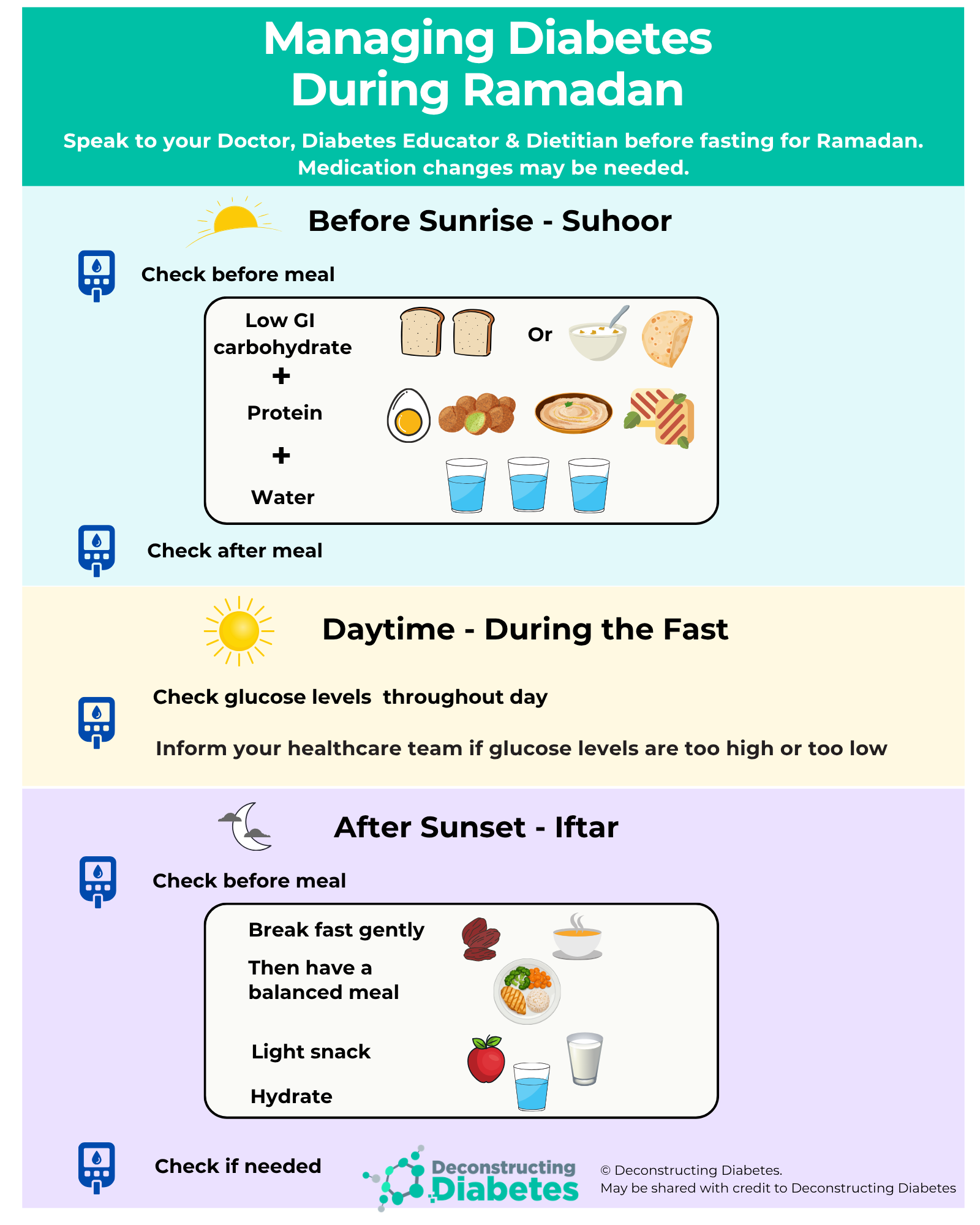
Fasting during Ramadan with diabetes needs careful planning. Explore practical tips for Suhoor, Iftar, hydration, glucose monitoring and medication considerations, with four easy-to-follow infographics to help you prepare.
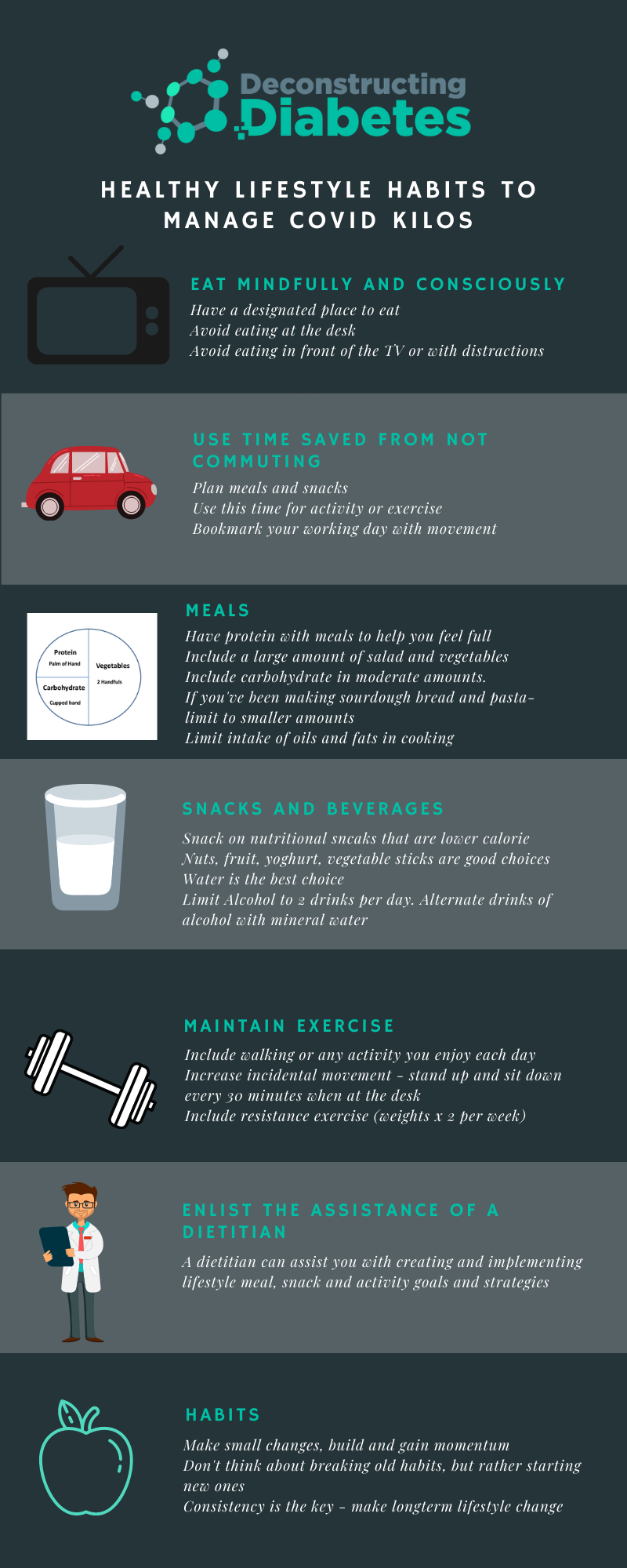
Did you gain weight during the lockdown? We've written a guide. to assist you with lifestyle choices, healthy diet and food choices to manage your weight during Covid-19
Working from home and looking for snacks that are weight and diabetes friendly. Here’s a list of 19 snack options to choose during Covid-19
This week is Smart Eating Week. , Smart Eating should be something you do for longer than Smart Eating Week.
Smart Eating is a Lifestyle
November 14th is World Diabetes Day. This year the theme is “Family”.
You don’t need to eat a “diabetic diet”. You don’t need to shop, prepare, cook and eat separate meals to what the rest of the family are eating.
How Do I Eat Healthy on A Budget?
This week it’s budget week. As we look at who wins and who loses after the Government handed down the 2018 Budget, let’s see how you can eat healthy and make sure your budget in the kitchen isn’t blown out.
Thankfully, here’s some tips to do just that:
Does knowing about nutrition influence our food choices and specifically the adoption of healthy food behaviours and habits?
So what makes it hard to move from knowing stuff to doing stuff? What barriers get in the way?
During festive periods, time with friends and family includes meals together, and gifts of the food variety. Chocolate Easter Eggs and hot cross buns often feature on this list.
So how does someone with diabetes get through this period?
Rather than a short term "Diet" - "Smart Eating" is a lifestyle, a behaviour that should be maintained, be lived daily, rather than done for a week.
It's better to do "Smart Eating" that you can maintain, rather than "Perfect Eating" which is restrictive, makes you hungry, and can't be followed.
Smart eating focuses on eating behaviours.
With food intake its easy to blame one thing for affecting diabetes or weight. Like blaming carbohydrate in isolation. Or sugars. Or fructose. Or Glycemic Index. Or fats. Or saturated fat. Or alcohol.
Blaming one macronutrient, whilst ignoring total intake and energy contribution as a whole is shortsighted.
We need to look at the whole diet, and what makes it up as pieces of the puzzle.
It never surprises me that it costs more to purchase healthier, more nutritious foods than it does to purchase higher fat, sugar, and salt convenience foods.
At the cafe, a fruit salad or yoghurt costs more than a chocolate donut. This does no make
Just been told you have Type 2 diabetes? This practical article explains what to eat after a diagnosis, including meal structure, carbohydrates, everyday foods, occasional choices, movement and where to start.