Eating well with diabetes during holidays and celebrations
Easter, Christmas, birthdays, holidays and social gatherings often mean time with friends and family, shared meals and foods we might not eat every day. Whatever you celebrate, whether that’s Christmas, Eid, Diwali or Lunar New Year, the same ideas apply.
For many people with diabetes, these occasions also raise questions about what to eat, how much to eat and how different foods might affect blood glucose levels. Routines change, there are more chances to eat out and there’s plenty of food on offer. With some planning, flexibility and a few practical strategies, you can enjoy these occasions while still looking after your diabetes.
Plan ahead, but allow for flexibility
A little planning can make celebrations easier. If you’re attending a function, think about when you’ll be eating, what food might be available and whether you need to adjust your usual routine.
Avoid arriving overly hungry. Have a snack beforehand if you’re likely to eat later than usual, and don’t skip meals to “save up” for the big one.
Bring a plate to share, such as a salad, vegetable dish or protein-rich option.
Look at the menu beforehand if you’re eating at a restaurant.
Keep your usual healthy foods and snacks available during longer holiday periods.
Fall back on your usual meal foundations. Even when eating differently, aim to include some protein and fibre-rich foods, such as vegetables, legumes or wholegrains. They help with appetite, satisfaction and blood glucose management.
If you’re travelling, pack your medications, monitoring supplies and hypo treatment in your carry-on or bag, with extra snacks in case of delays. In summer heat, keep insulin and monitoring equipment out of hot cars and direct sun.
You don’t need to plan every meal. A few strategies make decisions easier when plans change.
Making food choices at celebrations
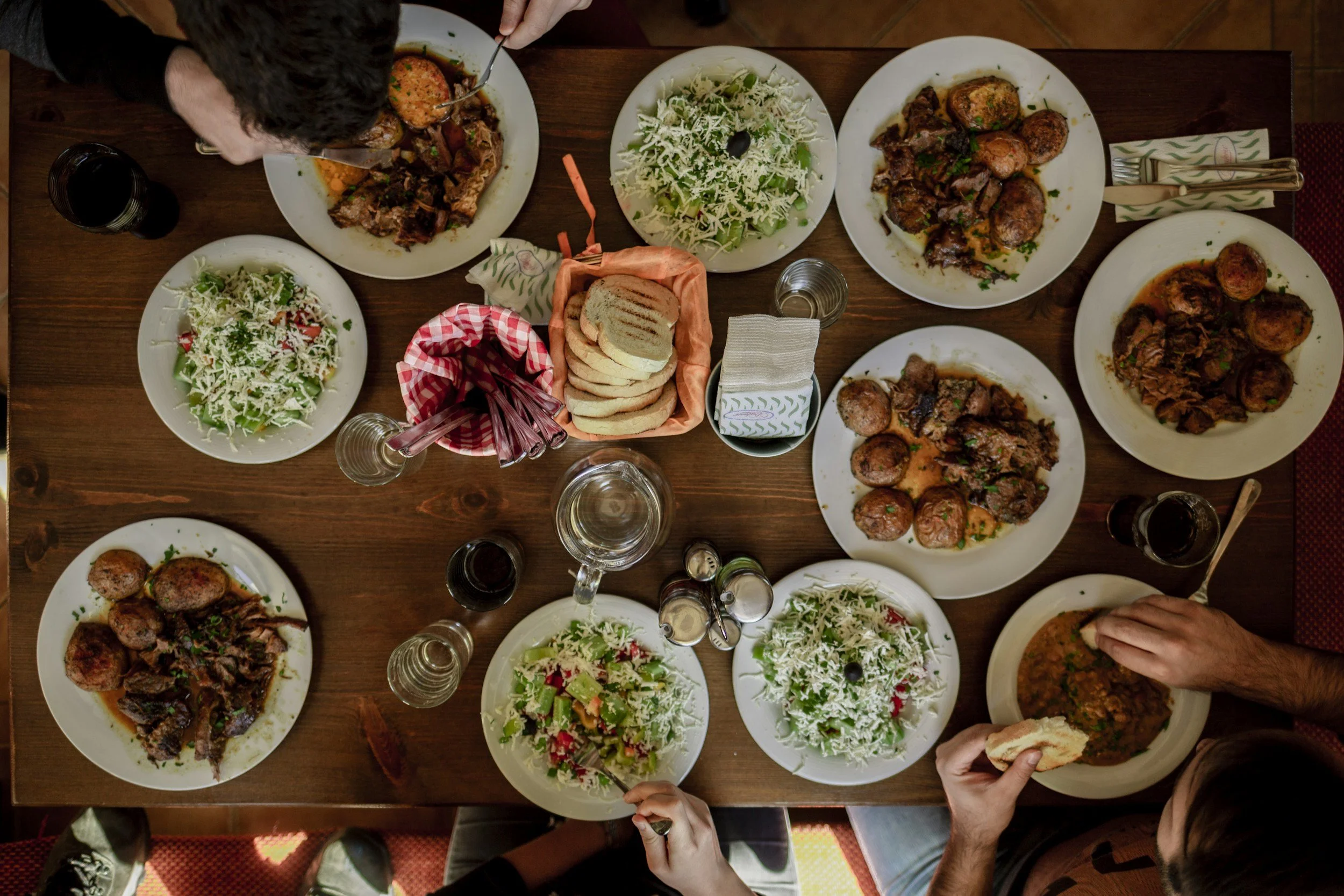
Social occasions often have a wide variety of food, from finger foods and grazing platters to large family meals, desserts and treats. It’s easy to eat more than you intended, particularly when grazing over several hours. A small amount of lots of different foods can add up.
Take a look at what’s available before deciding what to eat
Choose the foods you particularly enjoy rather than feeling you need to try everything
Include some protein and vegetables alongside carbohydrate-rich foods when available
Serve food onto a plate rather than continually grazing
Notice your appetite and how satisfied you feel as you eat
Remember that drinks count. Soft drinks, juices and cocktails can raise glucose quickly, and water or sparkling water is always an option
At a barbecue, for example, you might choose some grilled meat, chicken or fish, add a generous serve of salad or vegetables, and include some bread, potato salad or other carbohydrate foods. At a buffet, look at all the options first, select what you enjoy, then sit down and eat, rather than continually returning for small amounts.
You may also be encouraged to have another serving or try something you don’t particularly want. It’s perfectly reasonable to politely decline or save it for later.
Can you still enjoy chocolate, desserts and festive foods with diabetes?
Absolutely.
Easter eggs, hot cross buns, Christmas pudding, birthday cake and other traditional foods are often an important part of celebrations. There’s a common assumption that we need to eat “perfectly” to stay healthy, and that any celebration or treat knocks us off course. (Link to your perfect-diet post here.)
If your usual way of eating has some flexibility, with space for occasional treats, cultural foods and moments of celebration, these foods can be part of a sustainable approach. The amount you eat, how often and what else you’re eating all matter. At Easter, for example, you might enjoy a chocolate egg or hot cross bun while being mindful of how much you’re having and how it affects your glucose levels.
It’s also worth thinking about what happens after the celebration. Easter lasts for four days, but leftover chocolate can sometimes last for weeks! Rather than eating something simply because it’s available, consider whether you actually feel like having it. Mindful eating can help: take time to enjoy the food, notice its taste and texture, and pay attention to when you’ve had enough.
How changes to your routine affect blood glucose
Celebrations and holidays can mean eating at different times, larger meals, alcohol, or being more or less active than usual. All of these can influence your glucose levels.
Carbohydrate-rich foods such as bread, potatoes, rice, desserts and sweet drinks affect people differently, depending on the amount, the other foods in the meal and your individual response. Larger meals with more fat and protein can also cause a slower, more prolonged rise in glucose, particularly for people with Type 1 diabetes.
If you monitor your glucose or use a continuous glucose monitor (CGM), it can show you how different meals affect you. You might notice that a big restaurant meal has a different impact than a similar meal at home, or that a walk after a meal makes a difference. Use this to see what you might adjust next time.
If you use insulin or take medications that can cause hypos
A little extra planning is important.
Delayed or missed meals can increase your risk of hypos, as can eating less carbohydrate than usual or being more active
Carry your usual hypo treatment and monitoring supplies
If you use mealtime insulin, think about how you’ll estimate carbohydrate in mixed meals or when eating away from home
Follow your individual diabetes management plan, and speak with your diabetes healthcare team if you’re unsure how to manage significant changes to meals, insulin or activity
If you take a GLP-1 medication
If you take a GLP-1 medication such as Ozempic, Wegovy or Mounjaro, rich, fatty or very large meals can make nausea, reflux or fullness worse. Smaller portions, eating slowly and stopping when you’re comfortable can help. With a reduced appetite, try to include protein, and if it’s hard to eat enough over a long celebration, a small snack or two can help. See my GLP-1 nutrition support page for more.
Alcohol, activity and sleep
Food is only one part of managing diabetes. During holidays, routines around activity, sleep and alcohol change too.
Activity: keep some regular movement where possible. A walk after a meal, time outdoors, playing with the children or catching up with a friend while walking all count, and short periods of activity add up.
Alcohol: if you drink, keep track of how much, alternate alcoholic drinks with water and avoid drinking on an empty stomach. Alcohol can affect glucose levels and increase the risk of hypos if you use insulin or certain diabetes medications, and that risk can continue for several hours, including overnight. If you’re at risk of hypos, discuss alcohol safety with your diabetes healthcare team and make sure someone you’re with knows how to help. More in Alcohol and diabetes.
Sleep: late nights and changes in routine are common. Where possible, keep a reasonable sleep pattern.
How friends and family can help
Family and friends can have a big influence on how comfortable someone with diabetes feels around food. One of the least helpful things someone can hear at a celebration is “Should you be eating that?” or “Is that good for your diabetes?” These comments, even when well-intended, can leave people feeling judged. People with diabetes don’t need others monitoring everything they eat.
There are more useful ways to help:
Offer a variety of foods. Include vegetables, salads and protein-rich foods alongside the usual celebration foods.
Ask about preferences. If you’re hosting, ask whether there’s anything you can do to help with food choices or meal timing.
Avoid making assumptions. People with diabetes can enjoy a wide variety of foods, and their needs and treatment plans differ.
Suggest a walk or an outdoor activity you can do together.
Consider non-food gifts, particularly when there are already plenty of chocolates and sweets.
Getting back to routine after a celebration
A single celebration might involve one meal, but holiday periods can mean several days or weeks of eating differently. There may be leftovers in the fridge, more invitations, visitors staying over or more restaurant meals than usual. This is where keeping some familiar routines helps. Continue to include your usual meals, fruit, vegetables and other nutritious foods, and enjoy the special occasions as they come along.
After a festive weekend, one of the questions I commonly hear is “How do I get back on track?” There’s often a sense that enjoying a few different foods means all the previous effort has been undone.
Think about the bigger picture. If you’ve been building eating habits that support your health, a birthday dinner, Easter weekend or Christmas celebration doesn’t mean you have to start again. There’s no need to compensate by skipping meals, following a restrictive diet or trying to undo everything you’ve eaten. Simply return to the routines and food choices that work well for you. What you do consistently throughout the year matters more than what you eat on one day. (Link to your habits post here.)
Enjoy the occasion
Food is an important part of our lives. It brings people together, connects us with family and culture, and is something to be enjoyed. Diabetes is a long-term condition, and managing it requires an approach you can live with for the long term.
If you’d like help planning for a particular occasion, you can book an online consultation, or start with my free Type 2 Diabetes Guide.
Updated October 2026.