Alcohol and diabetes: what to know before you drink
A practical image for an article about alcohol, Type 2 diabetes and safer drinking habits.
Alcohol is one of those habits that can slip into routine without much thought: a glass while cooking, drinks on a Friday, a few more on the weekend.
If you have diabetes, it helps to know what alcohol does to your glucose, weight and sleep, and how to take a break if you’d like to.
Can you drink alcohol if you have diabetes?
Many people with diabetes can still choose to drink, with some limits and extra care. The Australian guidelines for healthy adults recommend no more than 10 standard drinks a week and no more than 4 on any one day, and the less you drink, the lower your risk. Alcohol isn’t recommended during pregnancy, and some people need to drink less or avoid it altogether, for example with liver problems, pancreatitis, nerve damage or certain medications. Ask your doctor what’s right for you.
A standard drink is smaller than most people expect: about 100 ml of wine, 285 ml of full-strength beer or 30 ml of spirits. A restaurant glass of wine is often more than one.
How alcohol affects your glucose
It can raise it. Beer, cider, sweet liqueurs and sugary mixers can push glucose up.
It can lower it. If you use insulin or certain diabetes tablets, alcohol can cause low blood glucose, especially if you drink without food. The drop can happen hours later, including overnight or the next morning, and the symptoms can be mistaken for being drunk.
It can make hypos harder to recognise. Symptoms of a hypo can sometimes be mistaken for being drunk.
A few safety steps can help. Eat something, ideally with some carbohydrate, when you drink. Check your glucose before bed, carry your hypo treatment, and let the people you’re with know what to look out for.
Your dietitian or diabetes educator can tailor this to your medication.
Alcohol, weight and appetite
Energy: alcohol provides about 29 kJ (7 calories) per gram, more than carbohydrate or protein, and we often eat more when we drink.
Food choices: alcohol lowers inhibitions and can stir up appetite, which often means fried and salty foods, and bigger portions.
The next day: a hangover tends to bring cravings for sugary, salty or greasy food, and less motivation to cook or do exercise.
Sleep: alcohol can disrupt sleep, which can then affect hunger, energy and food choices the next day
This doesn’t mean you can never drink. Start by noticing how alcohol affects your routine.
A note if you take a GLP-1 or increting-based medicationmedication
Some people find their interest in alcohol changes when taking a prescribed GLP-1 or incretin-based medication. Alcohol can also make nausea, reflux or a low appetite worse. Mention how much you drink to your prescriber. Our GLP-1 nutrition support page has more on eating well on these medications.
Dry July, No Drink November and other alcohol-free months
Months like Dry July, Feb Fast, Sober September, Sober October and No Drink November are a handy way to see how much alcohol has become routine. Taking a break may help you notice changes in:
sleep quality
glucose patterns if you measure them
food choices
appetite
morning routines
exercise consistency
spending
It can also help you work out whether alcohol is something you enjoy occasionally, or something that has become more automatic than you realised.
Do you have to do the whole month?
No. You might start with a week or two, or simply drink on fewer days or have fewer drinks. These are great goals too. As with all diabetes management, we’re aiming for progress, not perfection. If you do No Drink November, you could follow it with “Drink Less December”.
This does not need to be all-or-nothing. The useful part is noticing your patterns and choosing what you want to do next.
Tips for staying on track
Mark alcohol-free days on a calendar. Seeing the days add up is motivating.
Team up with family or friends so you can keep each other accountable.
Plan for your usual drinking times. If it’s a drink after work, swap in a walk ore exercise, or another way to unwind.
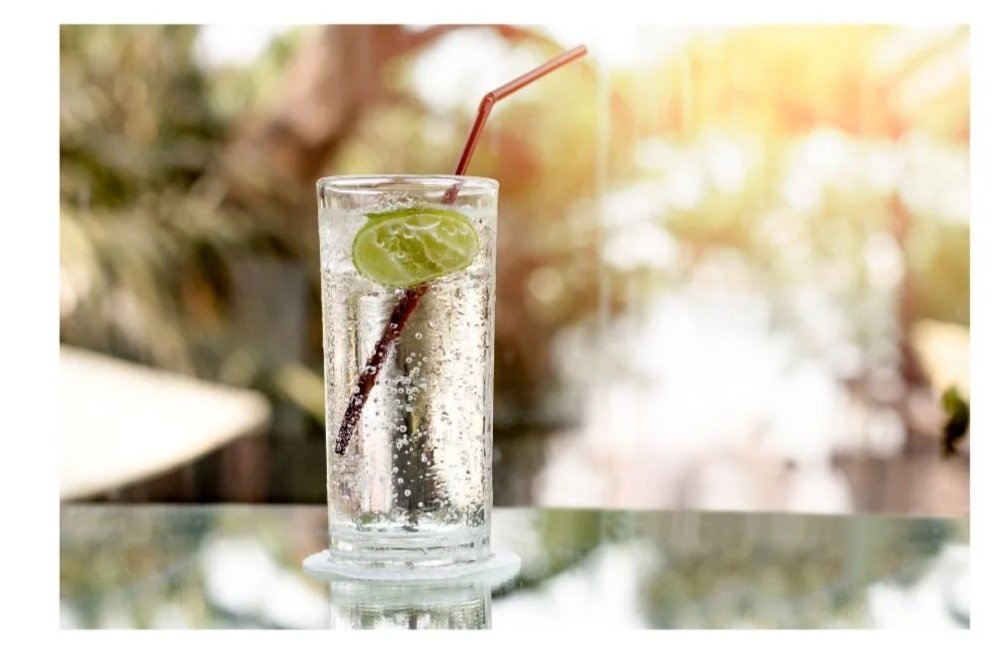
Choose mineral water with lemon, soda and lime, or a non-alcoholic alternative.
If you do drink, alternate with water or other calorie-free drinks, and have your drink after a meal, not before.
For social situations, volunteer to drive, or mention a big day tomorrow. Suggest catching up over a walk, a game night or a shared meal instead.
Jot down how you feel during the break, and see what you notice.
When to get support
If cutting back feels hard, or alcohol is affecting your health or relationships, talk to your GP. There’s also advice from the NHMRC.
Want practical support with Type 2 diabetes?
If you are not sure where to start with Type 2 diabetes, download the free Type 2 Diabetes Guide.
It includes 7 simple steps to help guide your food choices and habits, including meal structure, planning, movement and flexible habits that fit into real life.
Download the free Type 2 Diabetes Guide
Need personalised advice?
If you would like help applying this to your own food choices, alcohol habits, glucose patterns, medications and lifestyle, online diabetes dietitian consultations are available Australia-wide.
Updated September 2026 by dietitian Cam Johnson