
What Should You Eat on Ozempic, Wegovy or Mounjaro? A Dietitian’s Practical Guide
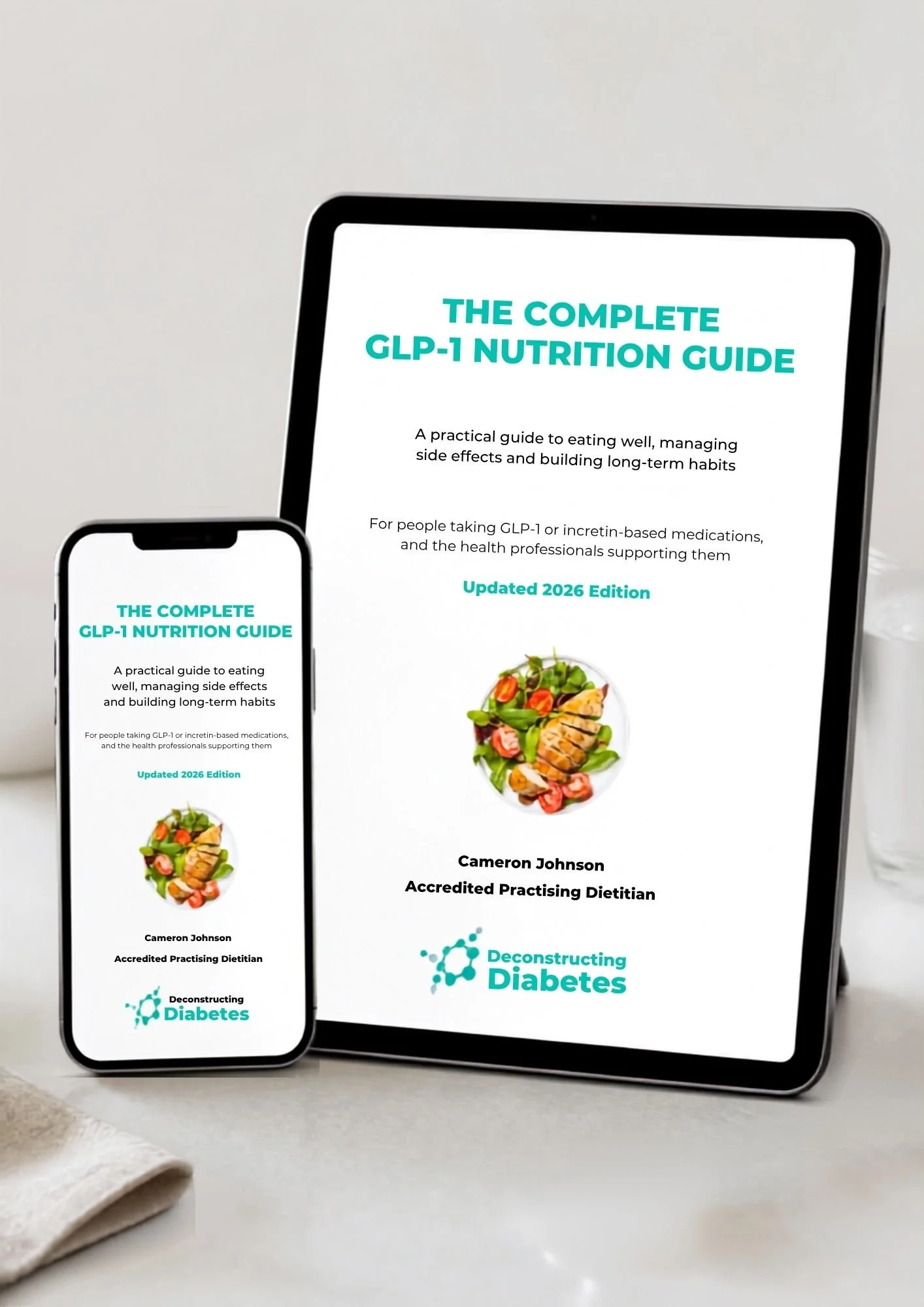
A practical guide to eating well while taking Ozempic, Wegovy or Mounjaro.
It is important to focus on good nutrition, not just eating less, when taking a GLP-1 medication.
Medications such as Ozempic, Wegovy and Mounjaro can change appetite, hunger, fullness, food preferences and the way people eat.
For many people, this can be helpful. Eating less may become easier, portions may reduce, and weight loss may follow.
But one question I’m hearing more and more in clinic is:
“What should I actually be eating while on these medications?”
The reduction in appetite, and food noise that makes GLP-1 medications effective can also create confusion about how much to eat, what to prioritise, and how to maintain adequate nutrition.
Without the right nutritional approach, some people may unintentionally under-eat, lose muscle mass, or struggle with side effects and digestive issues.
It’s important to build practical meal structure that supports your nutrition needs, glucose management, muscle health, side effect management and long-term habits.
When using GLP-1 medications the focus should shift from simply eating less to maintaining nutritional adequacy while intake is reduced.
How GLP-1 medications can change eating
GLP-1 and incretin-based medications can reduce appetite, slow stomach emptying and increase feelings of fullness.
In real life, this may mean:
• Meals become smaller
• Appetite feels unpredictable
• Breakfast or lunch gets skipped
• Some foods feel less appealing
• Protein intake drops
• Fibre and fluid intake reduce
• Constipation, reflux or nausea become an issue
• Food choices become more convenience-based
As overall intake reduces, the quality and structure of what you eat becomes more important.
The Nutrition Challenges People Often Face
When appetite drops significantly, several common patterns start to appear.
People may:
• Skip meals entirely because they aren’t hungry
• Eat very small portions that lack protein
• Choose quick or “easy” foods when appetite is low
• Avoid food because of nausea or digestive symptoms
Over time, this can result in lower protein intake, reduced fibre intake, and inadequate overall nutrition.
One of the biggest concerns from a dietitian’s perspective is muscle loss during weight loss.
GLP-1 medications reduce appetite, but they do not protect muscle mass.
This is where your nutrition intake plays an important role in preserving lean body mass.
What To Focus On Instead
Rather than focusing on rigid food rules or restrictive diets, I encourage people to prioritise a few key nutritional foundations.
These include:
Protein intake
Protein helps support muscle, strength, fullness and everyday function.
When appetite is reduced, protein intake can drop quickly, especially if meals become smaller or are skipped altogether.
Useful protein options may include:
• Greek yoghurt
• Eggs
• Fish, chicken or lean meat
• Tofu or tempeh
• Cottage cheese or ricotta
• Legumes such as lentils, chickpeas or beans
• Protein-enriched smoothies
• Simple leftovers with a protein source
For many people, breakfast is a useful place to start, especially if low appetite early in the day leads to very little intake until later.
Fibre-rich foods
Fibre supports gut health, fullness, glucose management and bowel regularity.
This can be especially important when appetite is reduced or constipation becomes an issue.
Fibre-rich options may include:
• Vegetables
• Fruit
• Legumes
• Oats
• Wholegrain breads and cereals
• Nuts and seeds
• Chia seeds or psyllium, if suitable
The amount and type of fibre may need to be adjusted if symptoms such as bloating, reflux, nausea or diarrhoea are present.
Fluids
When appetite drops, fluid intake can also drop.
Some people drink less because they are eating less often. Others avoid fluids because they feel full quickly or are managing nausea or reflux.
Hydration is still important, especially for bowel function, energy, headaches, exercise tolerance and general wellbeing.
Water is usually the best starting point, but some people may also benefit from soups, milk-based drinks, smoothies or other fluids that are easier to manage on low-appetite days.
Meal planning and structure
Maintaining some structure and plan across the day so you are not unintentionally under-eating, grazing randomly, or relying only on convenience foods.
A simple meal structure might include:
• A protein source
• Fibre-rich foods
• Carbohydrate if it fits your needs, preference and glucose patterns
• Fluids
• Portions adjusted to appetite and symptoms
This gives you a flexible framework without needing another strict meal plan.
Side effect management
Nutrition strategies may help with symptoms such as nausea, reflux, constipation, bloating or diarrhoea.
Strategies may include:
• Smaller meals
• Lower-fat meals if nausea or reflux is present
• Softer or simpler foods on low-appetite days
• Adjusting fibre type and amount
• Increasing fluids gradually
• Avoiding known trigger foods
• Spacing meals and fluids differently
Symptoms can vary between people, so the best approach depends on what you are experiencing.
A Practical Way to Think About Meals
One helpful approach is to think about meals as having a few core components rather than trying to follow strict diet rules.
A simple framework might include:
• A protein source
• Foods that provide fibre and micronutrients
• Carbohydrates if they fit your preference and plan
• Fluids
This type of structure allows flexibility while still supporting nutritional adequacy.
It also reduces the mental load that can come with trying to “get food right” on a medication that changes appetite so dramatically.
When Additional Support Can Help
For some people, adjusting to GLP-1 medications can be raise practical questions about side effects, managing overall nutrition including fibre and protein intake, muscle preservation and long-term eating patterns and habits.
Working with a dietitian can help provide confidence when using or planning to use these medications.
A More Detailed Guide
If you are taking Ozempic, Wegovy or Mounjaro and feel unsure how to structure your eating, I provide online GLP-1 nutrition support through Deconstructing Diabetes.
You can also explore the updated GLP-1 Nutrition Guide, a practical 108-page resource covering appetite changes, protein, fibre, hydration, side effects, meal structure, low-appetite days, eating out, plateaus and long-term habits.
You can learn more about the guide here:
Learn more about GLP-1 nutrition support
Cam Johnson is an Accredited Practising Dietitian based in Melbourne and the founder of Deconstructing Diabetes. He provides telehealth nutrition consultations supporting people with diabetes, weight management and GLP-1 medications including Ozempic, Wegovy and Mounjaro.